
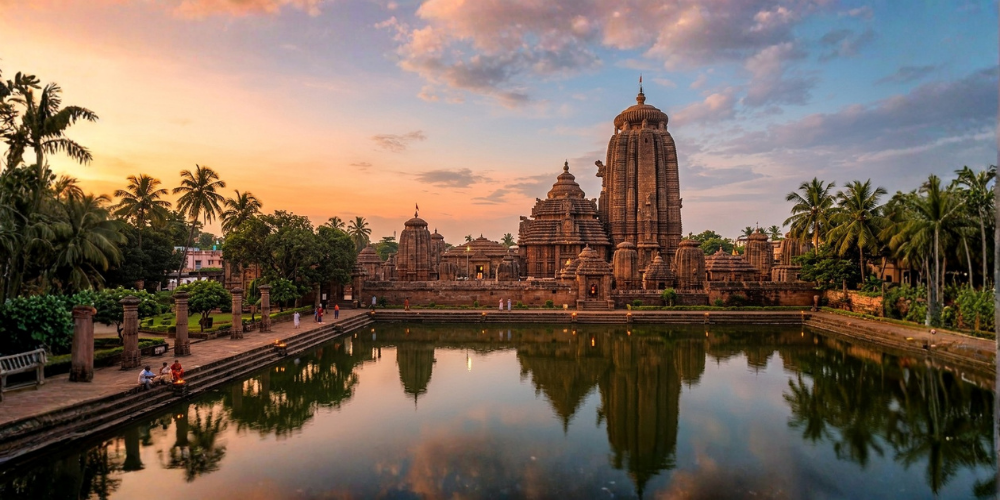
Have you ever walked into a place where the air itself feels different like it’s carrying stories older than memory?
That’s what Bhubaneswar does to you. People call it the Temple City, but honestly, that label feels too neat for what it really is. It’s more like a living museum where faith didn’t just survive it stayed active, loud, and beautifully present.
And right in the middle of it all sits Lingaraj Temple, almost like the city’s heartbeat made of stone.
If you’re staying anywhere nearby, especially in central Bhubaneswar hotels, you don’t really “plan” a visit here. You just sort of end up going. Morning, evening, even a random afternoon it pulls you in.
What is Lingaraj Temple in Bhubaneswar and why is it famous?
Lingaraj Temple is one of the oldest and most revered temples in Odisha, dedicated to Lord Shiva, worshipped here as “Lingaraj,” meaning “King of Lingas.”
But here’s the thing: it’s not just famous because it’s old. It’s famous because it feels alive. The temple is a living example of Kalinga architecture, still actively used for worship, rituals, and festivals.
It draws pilgrims, historians, architects, and curious travellers all at once. There’s something about its towering structure and rhythmic chants that makes even a casual visitor pause and look inward for a moment.
Where is Lingaraj Temple located in Bhubaneswar?
The temple sits in the old city area of Bhubaneswar, Odisha, surrounded by narrow lanes, traditional homes, and smaller shrines that almost feel like they’re quietly guarding it.
It’s roughly 3 to 5 km from major city centres and most hotels, so reaching it is quite simple auto-rickshaws, cabs, or even a short drive can get you there without hassle.
What’s interesting is how the modern city gradually fades as you approach the temple zone. You’ll notice fewer high-rises and more stone, silence, and temple bells.
What is the history of Lingaraj Temple in Odisha?
The origins of Lingaraj Temple trace back to around the 11th century, built under the Somavamsi dynasty and later expanded by the rulers of the Ganga dynasty.
But history here doesn’t feel like something locked in books it feels layered into every carved stone.
There’s a blend of Shaivism and Vaishnavism traditions, which is rare and fascinating. It shows how spiritual practices evolved here in harmony rather than isolation.
Locals still believe that the deity here represents a form of Lord Shiva that unifies multiple beliefs, making it a deeply inclusive spiritual space.
What is special about Lingaraj Temple architecture?
Lingaraj Temple is a classic example of Kalinga architecture, and what makes it stand out is how powerful yet detailed it feels in a single view.
The main highlight is the Deula (sanctum tower), rising around 180 feet, which dominates the skyline and gives the temple its grand presence. Built using sandstone and laterite, the structure has a warm, natural tone that changes with sunlight.
What’s truly impressive is the craftsmanship. The walls are covered with intricate carvings of gods, animals, and floral patterns, each telling small visual stories from ancient times. Nothing looks random, every detail feels intentional.
The temple is also part of a larger complex with multiple smaller shrines, making it feel like a complete sacred ecosystem rather than a single monument.
Nearby, the Bindusagar Lake adds a calm, reflective space that enhances the spiritual atmosphere.
What are the timings of Lingaraj Temple Bhubaneswar?
Lingaraj Temple usually opens early in the morning, around 5:00 AM, and remains open till about 9:00 PM, with a break in the afternoon when rituals are performed.
The most peaceful time to visit is early morning, when the temple is less crowded and the atmosphere feels calm and devotional. Evening visits are also special, especially during aarti time, when the sound of bells and chants fills the air.
Do note that timings can slightly change during festivals or special rituals, so it’s always good to check locally before planning your visit.
What is the best time to visit Lingaraj Temple Bhubaneswar?
The best time to visit Lingaraj Temple is during the cooler months from October to February, when the weather in Bhubaneswar is pleasant and comfortable for walking around the temple complex.
If you’re looking for the most peaceful experience, go early in the morning, just after opening hours. The air feels softer, the crowds are thinner, and the temple rituals create a calm, almost meditative atmosphere.
Evenings are also a good choice, especially when the temple is lit softly and the surroundings feel more relaxed. However, try to avoid peak midday hours in summer, as it can get quite hot and tiring.
What are the rules for visiting Lingaraj Temple?
Visiting Lingaraj Temple comes with a few important guidelines, mainly to respect its religious significance.
- Entry to the main sanctum is restricted to Hindu devotees only.
- Visitors should dress modestly, covering shoulders and knees.
- Footwear must be removed before entering the temple premises.
- Photography is not allowed inside restricted areas.
- Maintain silence and avoid disturbing ongoing rituals.
These rules aren’t meant to restrict your experience, they help preserve the temple’s sacred atmosphere. Even from outside areas, the spiritual energy and architectural beauty are still very much worth experiencing.
What festivals are celebrated at Lingaraj Temple?
Lingaraj Temple truly comes alive during festivals, when devotion, colour, and sound fill every corner of the complex.
The most important celebration is Maha Shivaratri, when thousands of devotees gather to offer prayers to Lord Shiva. The entire temple becomes a vibrant hub of chants, lamps, and night-long rituals.
Other significant festivals include:
- Chandan Yatra – marked by ceremonial rituals and processions
- Ashokashtami – featuring traditional chariot procession of Lord Lingaraj
- Kartik Purnima – celebrated with deep spiritual significance across Odisha
During these times, the temple atmosphere shifts completely from calm and steady to energetic and deeply devotional.
What are the places to visit near Lingaraj Temple Bhubaneswar?
The area around Lingaraj Temple is rich with heritage, and you can easily explore a few iconic spots within a short distance.
- Bindusagar Lake – A peaceful sacred water body right beside the temple, perfect for a calm pause.
- Mukteshwar Temple – Known for its stunning stone arch and detailed carvings.
- Rajarani Temple – Famous for its artistic sculptures and quiet surroundings.
- Udayagiri & Khandagiri Caves – Ancient rock-cut caves that reflect Odisha’s early history and monastic life.
Together, these places give you a deeper sense of Bhubaneswar’s identity as a city where history, art, and spirituality live side by side.
Best Stay near Lingaraj Temple in Bhubaneswar?
If you’re planning a visit to Lingaraj Temple, it’s worth choosing a stay that keeps you comfortably connected to both heritage spots and the modern side of the city.
While Old Town areas are closest to the temple, many travellers prefer Patia, Bhubaneswar for a more relaxed and well-planned stay experience. It’s a growing hub with great connectivity, cafés, and easy access to major attractions.
At Zoris Boutique Hotel, we’re the best hotel in Patia Bhubaneswar, offering a comfortable and stylish stay for travellers. Our hotel is designed for a smooth, hassle-free experience perfect after a long day of exploring the city’s cultural and spiritual landmarks.
From here, Lingaraj Temple is still easily accessible, making our hotel a convenient and practical base for your Bhubaneswar visit.

Zoris Boutique Hotel is Bhubaneswar’s premier lifestyle destination, located in the heart of Patia. We offer luxury rooms, fine dining at Let’s Talk Lounge, and vibrant nightlife – all crafted for a complete and memorable stay